-

Ethiopia: a land of silence voices
It might be easy to dismiss digital authoritarianism in Ethiopia as something distant and exotic, that is not applicable to the European context. However this could not be further from the truth. While research in Ethiopia often leaves more questions than answers, due to the country’s diversity and complexity – Ethiopia has 90 ethnic groups…
-
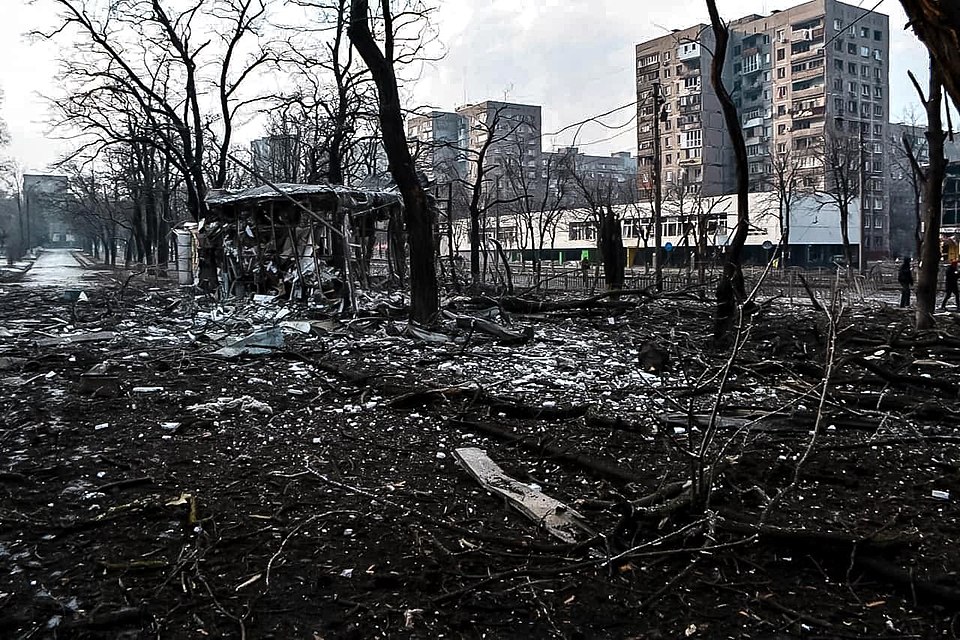
(Pro)Russian narratives in the occupied Mariupol: a Biopolitical Analysis
This blog is based on work for the author’s recent paper ‘Russian and Pro-Prussian Biopolitical Propaganda in Occupied Mariupol‘, published in Political Dynamics in Ukraine (Ponars Eurasia, May 2025). In a pilot study of pro-Russian vloggers and media influencers in the occupied Mariupol, I applied basic tools of visual analysis (database of approx. 20-min clips,…
-
Information suppression undermining European democracies
The ARM Project, in collaboration with Panteion University, hosted a roundtable on disinformation and freedom of expression, focusing on comparative European experiences in global perspectives. The discussion brought together journalists, researchers, and human rights experts to explore how disinformation, information suppression, and shrinking media independence affect both authoritarian and democratic contexts. While the project focuses…
-
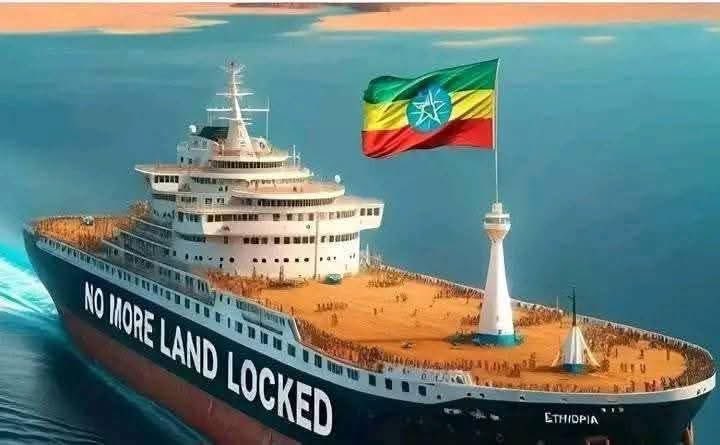
AI and Visual Propaganda in Ethiopia’s Red Sea Discourse
On September 9 2025, Ethiopia inaugurated the Grand Ethiopian Renaissance Dam (GERD), a mega-dam with the capacity of generating 5000+ MW of energy. The ceremony was a highly mediatized event, with both state and social media ablaze as Ethiopians celebrated a dam that took 14 years and cost $5 billion to build. On the digital…
-

Media research in practice: Using INA’s archives to explore how French media cover Rwanda.
In the ARM project, part of our work is trying to understand what kind of information circulates about Rwanda in Europe. One of the countries we are focusing on is France. Part of our research is identifying potential trends over time. Have there been any changes in how Rwanda is portrayed? Do changes coincide with…
-
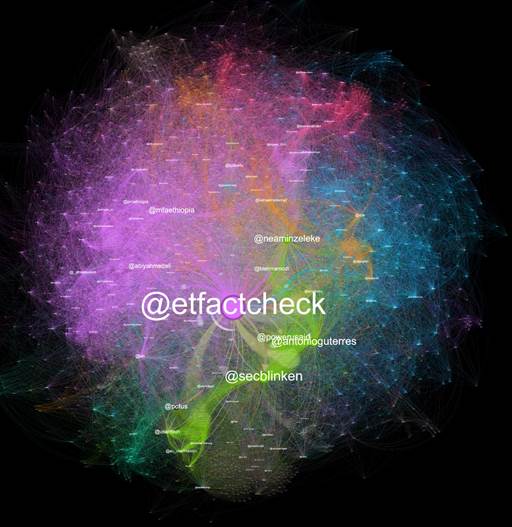
Weaponizing Truth: How @ETFactCheck co-opted fact-checking to push state propaganda during the Tigray war
In an era when disinformation and misinformation run rampant, fact-checking has emerged as a critical tool for ensuring the credibility and integrity of information and for holding public figures accountable for their statements. However, there is a growing tendency among authoritarian governments to co-opt the vocabulary of fact-checking to advance their preferred narratives. This has…
-

Synthetic Foreigners on Chinese Social Media
Foreign influencers operating across a wide range of social media platforms have been a consistent source of information manipulation aligned with Chinese influence operations. These foreign influencers – ranging from social media commentators and travel bloggers to self-proclaimed experts and state media journalists – are valuable assets for the Chinese Communist Party (CCP) as they…
